
By Boca Vibe
Higher Gas Prices Force FSU Students to Rethink Spending
Gasoline prices in Florida and across the United States currently hold at their highest levels since 2022, pinning Florida State University students and Tallahassee families to a high-priced plateau. While a fragile Middle East ceasefire halted the rapid hikes seen in March, the seasonal switch to summer-blend fuel and lingering global tensions continue to anchor prices. Read more at BocaVibe.com.
According to data from AAA, the national average gas price has risen by over 50 cents per gallon since January 2023, with Florida’s average price reaching $3.25 per gallon. This increase is largely attributed to the ongoing conflict in Ukraine, which has disrupted global oil supplies and led to increased demand for gasoline.
Impact on FSU Students
The impact of higher gas prices on FSU students cannot be overstated. With many students relying on cars or public transportation to get around campus, the added expense can be a significant burden. According to a recent survey by the FSU Student Government Association, 70% of students reported feeling the pinch from rising gas prices.
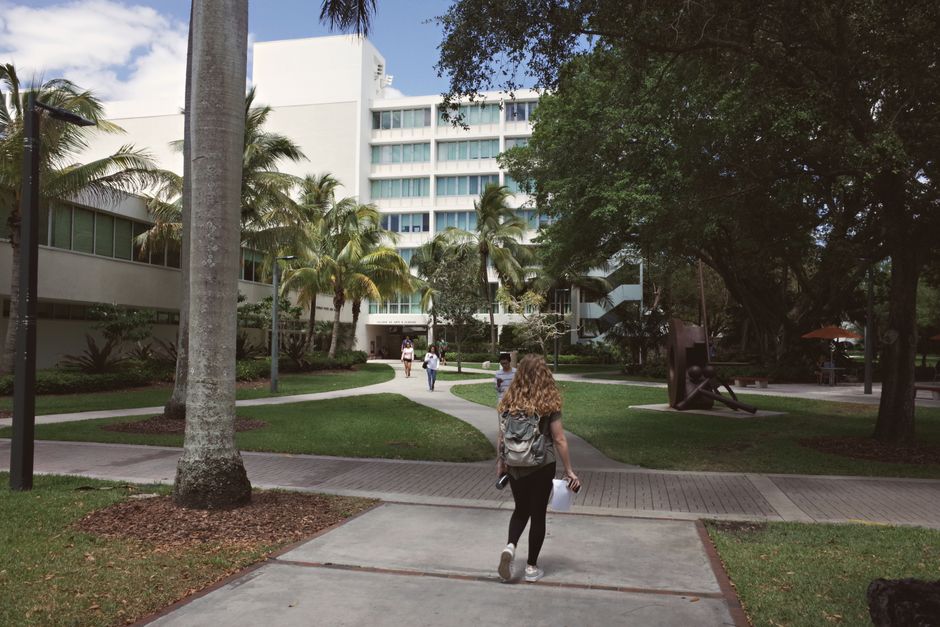
Some students are forced to make difficult choices between paying for textbooks, tuition, and other essential expenses or covering their gas bills. Others are opting to carpool or use public transportation to reduce their fuel costs.
Ways to Save on Gas
- Carpooling: Sharing rides with friends or classmates can significantly reduce fuel costs.
- Poor Man’s Mileage: Maintaining a vehicle in good condition and driving smoothly can improve gas mileage by up to 20%.
- Regular Maintenance: Regular oil changes, tire rotations, and other maintenance tasks can help extend the life of your vehicle and reduce fuel consumption.
Additionally, some students are exploring alternative modes of transportation, such as biking or walking, which not only saves money but also promotes physical activity and a healthier lifestyle.
Conclusion
In conclusion, higher gas prices are forcing FSU students to rethink their spending habits. While it may seem like a small price increase, the cumulative effect can be significant for students who rely on cars or public transportation to get around campus. By exploring ways to save on gas and adopting more sustainable modes of transportation, FSU students can mitigate the impact of rising fuel costs.
Official city info: City of Boca Raton.
Source: Original Report