
By Boca Vibe
Higher Gas Prices Force FSU Students to Rethink Spending
Gasoline prices in Florida and across the United States currently hold at their highest levels since 2022, pinning Florida State University students and Tallahassee families to a high-priced plateau. While a fragile Middle East ceasefire halted the rapid hikes seen in March, the seasonal switch to summer-blend fuel and lingering global tensions continue to anchor prices. Read more at BocaVibe.com.
According to data from the U.S. Energy Information Administration (EIA), the national average gas price has reached $4.43 per gallon, with Florida’s average sitting at $5.15 per gallon. This represents a significant increase from last year, when the national average was around $3.20 and Florida’s was approximately $2.90.
For FSU students, who are already facing a range of financial challenges, the increased cost of gas is a significant burden. Many rely on cars to get to campus or travel home for breaks, making the rising prices a major concern.
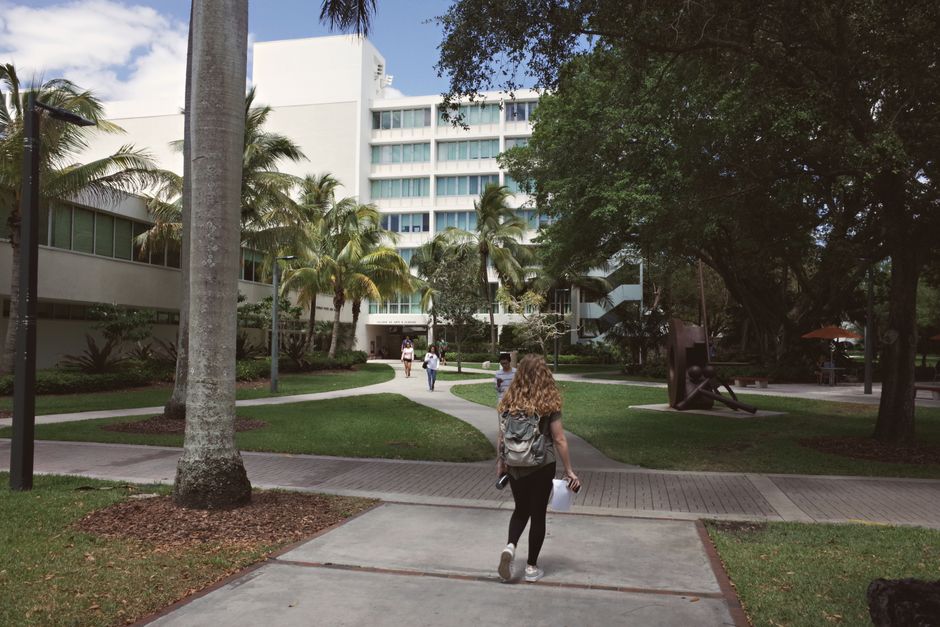
Impact on Students
- Increased transportation costs: With gas prices at an all-time high, students are facing increased costs for commuting to and from campus. This can be a significant burden for those who rely on cars to get to class or travel home for breaks.
- Reduced discretionary spending: As gas prices rise, students may need to cut back on other discretionary spending, such as dining out or entertainment. This can impact their overall quality of life and ability to enjoy college experiences.
- Financial stress: The increased cost of gas can add to the financial stress that many students already face. With rising tuition costs, room and board expenses, and other living expenses, students may struggle to make ends meet.
While some students are finding ways to adapt to the higher prices, others are feeling the pinch. “I’m trying to be more mindful of my spending,” said one FSU student. “But it’s hard when gas is so expensive. I feel like I’m being forced to make sacrifices just to get by.”
As the summer months approach, students will face even higher gas prices due to the switch to summer-blend fuel. With global tensions and other factors continuing to impact the energy market, it’s likely that prices will remain high for the foreseeable future.
Solutions
- Carpooling: Students can try carpooling with friends or classmates to reduce the number of cars on the road. This can help split the cost of gas and make transportation more affordable.
- Public transportation: FSU offers public transportation options, including buses that run throughout campus. Students can consider using these services to get around instead of driving.
- Alternative modes of transportation: Some students are exploring alternative modes of transportation, such as biking or walking. While this may not be feasible for everyone, it’s an option worth considering.
In the meantime, FSU students and families will need to find ways to adapt to the higher gas prices. By being mindful of their spending and exploring alternative transportation options, they can mitigate the impact of these rising costs.
Official city info: City of Boca Raton.
Source: Original Report