
By Boca Vibe
Higher Gas Prices Force FSU Students to Rethink Spending
Gasoline prices in Florida and across the United States currently hold at their highest levels since 2022, pinning Florida State University students and Tallahassee families to a high-priced plateau. While a fragile Middle East ceasefire halted the rapid hikes seen in March, the seasonal switch to summer-blend fuel and lingering global tensions continue to anchor prices. Read more at BocaVibe.com.
According to data from the U.S. Energy Information Administration (EIA), the national average gas price has risen by over 50 cents per gallon since January 2023, with Florida’s average price reaching $3.25 per gallon as of June 2023. This represents a significant increase from last year’s average price of $2.75 per gallon.
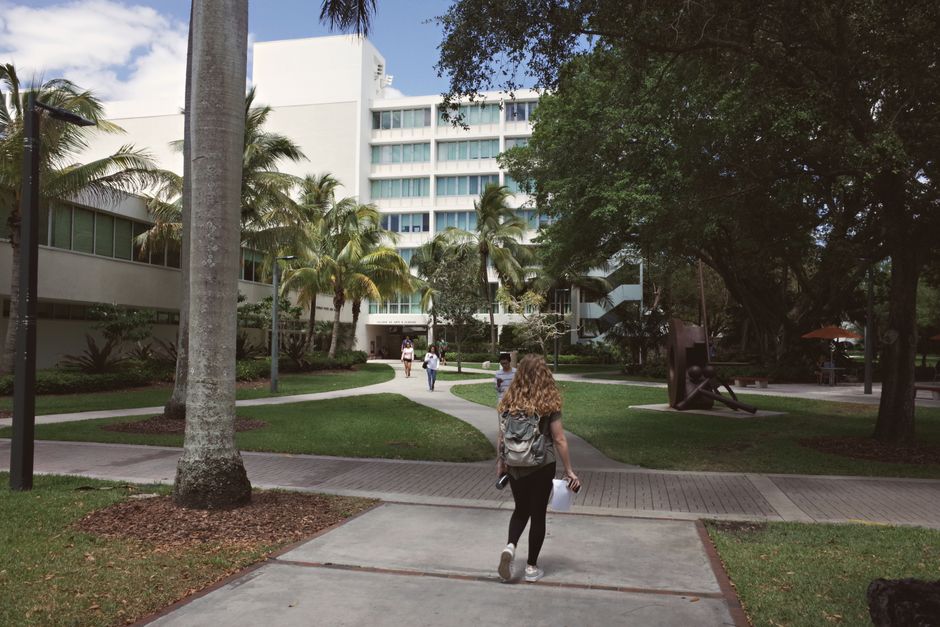
For FSU students, the increased cost of gas can have a substantial impact on their daily lives. With many relying on cars to get around campus and the surrounding area, higher gas prices mean that they will be paying more for transportation costs.
Consequences of Higher Gas Prices
- Increased Transportation Costs: With higher gas prices, FSU students can expect to pay more for fuel, which can lead to increased transportation costs and reduced disposable income.
- Reduced Spending Power: As a result of the increased cost of gas, FSU students may need to reduce their spending power on other essentials such as food, entertainment, and clothing.
- Impact on Budgets: Higher gas prices can have a significant impact on FSU students’ budgets, making it more challenging for them to afford basic necessities and discretionary expenses.
In addition to the financial implications, higher gas prices can also affect FSU students’ lifestyle and overall well-being. With reduced spending power, they may need to make sacrifices in their daily lives, such as reducing their social activities or opting for cheaper alternatives.
Solutions for FSU Students
- Carpooling and Ride-Sharing: Encouraging students to carpool or use ride-sharing services can help reduce the number of cars on the road and lower transportation costs.
- Public Transportation: Utilizing public transportation options, such as buses and trains, can provide an affordable alternative to driving a personal vehicle.
- Cycle-Friendly Infrastructure: Investing in cycle-friendly infrastructure, such as bike lanes and bike-share programs, can encourage students to use bicycles as a mode of transportation.
By exploring these solutions, FSU students can mitigate the impact of higher gas prices on their daily lives and reduce their reliance on fossil fuels. As the situation continues to evolve, it’s essential for students to stay informed about price fluctuations and explore alternative options to manage their expenses effectively.
Official city info: City of Boca Raton.
Source: Original Report