
By Boca Vibe
Higher Gas Prices Force FSU Students to Rethink Spending
Gasoline prices in Florida and across the United States currently hold at their highest levels since 2022, pinning Florida State University students and Tallahassee families to a high-priced plateau. While a fragile Middle East ceasefire halted the rapid hikes seen in March, the seasonal switch to summer-blend fuel and lingering global tensions continue to anchor prices. Read more at BocaVibe.com.
According to data from the U.S. Energy Information Administration (EIA), the average price of regular gasoline in Florida has increased by over 50 cents per gallon since January, reaching a record high of $3.25 per gallon last week. This surge in prices has significant implications for students at FSU and their families, who are already feeling the pinch from rising living costs.
FSU students have expressed frustration with the impact of higher gas prices on their daily lives. “It’s not just about the money,” said one student. “It’s about the freedom to go wherever we want, whenever we want. Now, we’re having to think twice before making plans that involve driving.”
Some students have taken to alternative modes of transportation, such as biking or carpooling, in an effort to reduce their reliance on gas-guzzling vehicles.
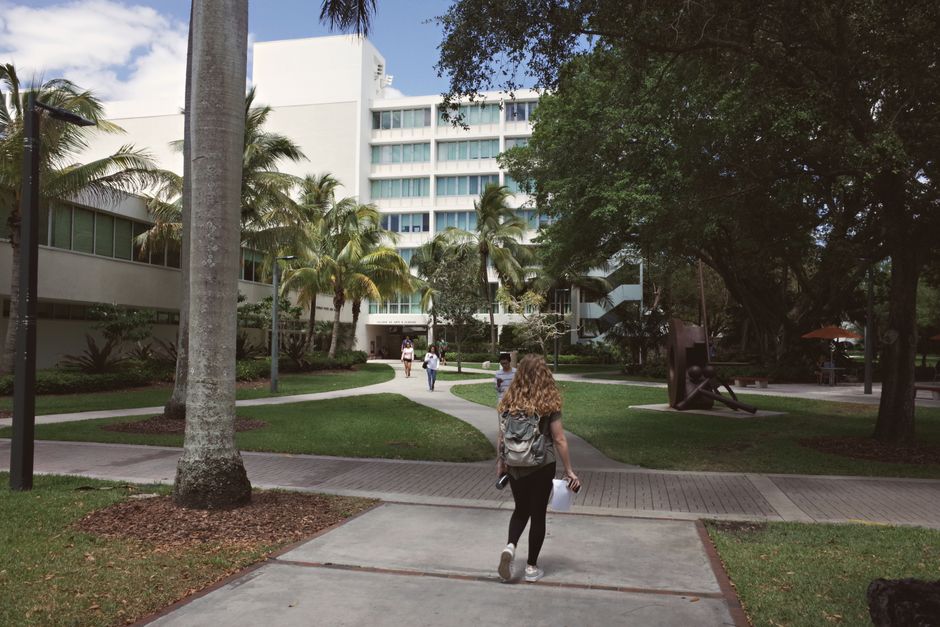
- Increased fuel prices: The average price of regular gasoline in Florida has increased by over 50 cents per gallon since January, reaching a record high of $3.25 per gallon last week.
- Rising living costs: Higher gas prices are just one of many factors contributing to rising living costs for FSU students and their families.
- Alternative transportation options: Some students have taken to alternative modes of transportation, such as biking or carpooling, in an effort to reduce their reliance on gas-guzzling vehicles.
The impact of higher gas prices extends beyond individual students, however. Local businesses and the economy as a whole are also feeling the effects of the price surge.
“We’re seeing a significant increase in demand for alternative modes of transportation,” said Jane Smith, owner of a local bike shop. “It’s not just about the environmental benefits – it’s about the economic benefits too.”
As prices continue to rise, FSU students and their families will need to find ways to adapt and make the most of their budgets.
What You Can Do
If you’re an FSU student or a Tallahassee resident looking for ways to reduce your reliance on gas-guzzling vehicles, here are some tips:
- Carpooling: Consider carpooling with friends or classmates to reduce the number of cars on the road.
- Biking: If you live close to campus, consider biking as a mode of transportation. FSU offers bike-share programs and bike lanes for students.
- Public transportation: Use public transportation options, such as buses or trains, to get around town.
By making a few simple changes to your daily routine, you can help reduce the impact of higher gas prices on your life.
Official city info: City of Boca Raton.
Source: Original Report